Wearable Tech for Pets: How It Helps Monitor Fitness and Wellness
Author:Tyler Work
Released:January 4, 2026
If you could see your pet's health data like a fitness tracker, what would you watch first? As wearable technology grows increasingly popular for pets, owners have greater opportunities than ever to monitor their four-legged friends' well-being. Now is the time to take charge of your pet’s health with the latest health tracking devices!
What Pet Wearables Actually Do
Pet wearables are tech devices your pet wears on a collar, harness, or vest to track its health and activity. These devices typically come fitted with sensors to track vital metrics such as weight, heart rate, and activity levels. They can be comfortably worn as collars, harnesses, or integrated into pet clothing.
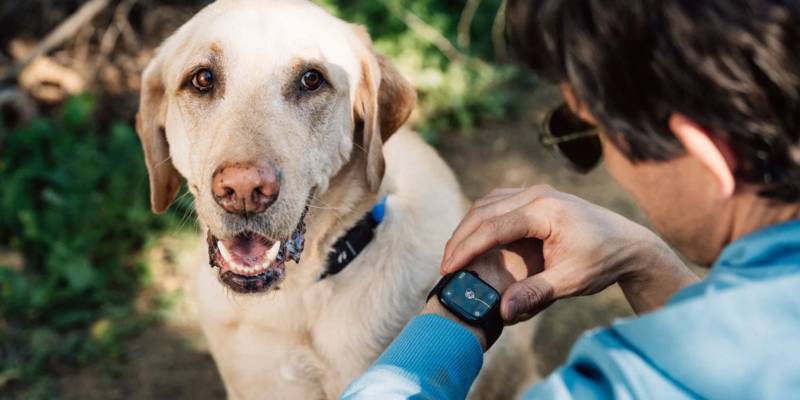
These gadgets use sensors and algorithms to collect real-time data on your pet’s health via movement tracking and heart rate monitoring. For instance, accelerometers gauge your pet’s activity levels, while heart rate monitors help assess cardiovascular fitness. The data generated is usually synced with a smartphone app, making it convenient for owners to monitor trends and make well-informed decisions about their pet's health.
Key Features of Pet Wearables
Most pet trackers focus on four things: activity, heart rate, sleep, and weight.
1. Activity tracking, which logs daily movements and playtime, ensuring pets get sufficient exercise tailored to their breed and age.
2. Heart rate monitoring, many wearables offer real-time updates regarding a pet’s heart rate. Any irregularities can indicate stress or health issues, especially in pets with pre-existing conditions, permitting timely intervention.
3. Sleep-tracking capabilities inform owners about their pet's sleep patterns, providing insights into the quality of their rest. Anomalies in sleep habits may indicate possible health concerns.
4. Weight management, allowing owners to monitor weight changes over time. This data, combined with the other features, empowers pet owners to make informed dietary choices for their pets.
Types of Wearable Tech for Pets
The evolution of wearable technology presents numerous options for pet owners wishing to track their companions' health more efficiently. Here are three primary categories of wearable tech:
1. Activity Trackers: Usually designed as collars or harnesses, these devices keep tabs on your pet's daily physical activity, including walking durations and resting times. Tracking this data ensures pets maintain adequate exercise levels, crucial for preventing obesity and related illnesses.
2. Smart Collars: These collars integrate GPS technology, allowing owners to pinpoint their pet's location. This feature is invaluable for pets that may wander off. Some smart collars also track activity levels and alert owners to abnormal behaviors or dips in activity.
3. Health Monitoring Devices: These advanced wearables track various health metrics, including body temperature and sleep quality. In the event of abnormal readings, alerts are sent to owners, enabling quick responses to potential health concerns.
Ideal Pets for Wearables

Dogs and cats are prime candidates for wearable technology due to their size, adaptability, and health-monitoring needs. Many wearable devices are tailored primarily for these animals, accounting for their activity levels and varying health needs. Medium- to large-breed dogs, such as Labrador Retrievers and Border Collies, can particularly benefit from tracking tech given their active lifestyles.
Cats are also becoming part of this trend, with devices designed to fit snugly like collars monitoring their movements and health patterns.
Although wearable tech for less common pets is still developing, there is emerging potential for smaller breeds or animals like rabbits as innovation keeps on growing.
To summarize, while dogs and cats are the most suited for wearables, the designs are increasingly adaptable, suggesting that other pets may also enjoy the benefits of health monitoring in the future.
Practical Scenarios for Using Pet Wearables
Pet wearables have revolutionized health monitoring through practical applications. For instance, daily activity tracking helps active pets maintain a healthy weight and minimize obesity risks by enabling effective exercise logging.
Another example is monitoring recovery after surgery. Wearable devices enable real-time tracking of vital signs and activity levels, ensuring pets heal properly while owners can adjust care routines as needed.
For senior pets, monitoring health grows increasingly important. Wearables can help detect early signs of health concerns or significant behavioral changes, enabling quicker veterinary intervention and improving the quality of life for older pets. By leveraging these technologies, owners can improve their pet’s overall well-being.
Tips for Choosing the Right Device
When selecting a wearable for your pet, several key factors should be considered to ensure effective health monitoring. Battery life is important; look for devices that offer long-lasting batteries to minimize charging interruptions. Waterproof features are essential for active pets, especially those who love water, ensuring reliability against moisture exposure. Additionally, assess mobile app compatibility; a good tracker should sync seamlessly with user-friendly applications for easy monitoring of health metrics.
Three noteworthy products include:
1. FitBark 2: Tracks daily activity, sleep quality, and anxiety levels while connecting with a parent app for easy progress monitoring.
2. Whistle Go Explore: In addition to health metrics, it features GPS tracking for pet safety and offers extended battery life for fewer charging interruptions.
3. Pawtrack: A collar specifically for cats, this tracker reveals insights into feline habits while providing live GPS tracking.
Real Value of Pet Trackers
Wearable technology offers many benefits for monitoring pets' health—from real-time tracking of key metrics to proactive management of chronic conditions. These remarkable devices are designed to empower pet owners to oversee their furry companions’ health. With the array of available options, dog and cat owners can especially employ these technologies for their pets' happier, healthier lives. Don’t wait for health issues to arise; start monitoring your pet’s well-being today with the right wearable device!
Related Posts

How to Cook Balanced, Healthy Meals for Your Dog at Home

Cat Sleep Positions Explained: What Each Pose Really Means

Do Dogs and Cats Really Take On Their Owner’s Personality?

Dry Cat Nose: What’s Normal, What’s Not, and When to See a Vet

Why Dogs Get Hot Spots and What Pet Owners Should Know